




Blogs
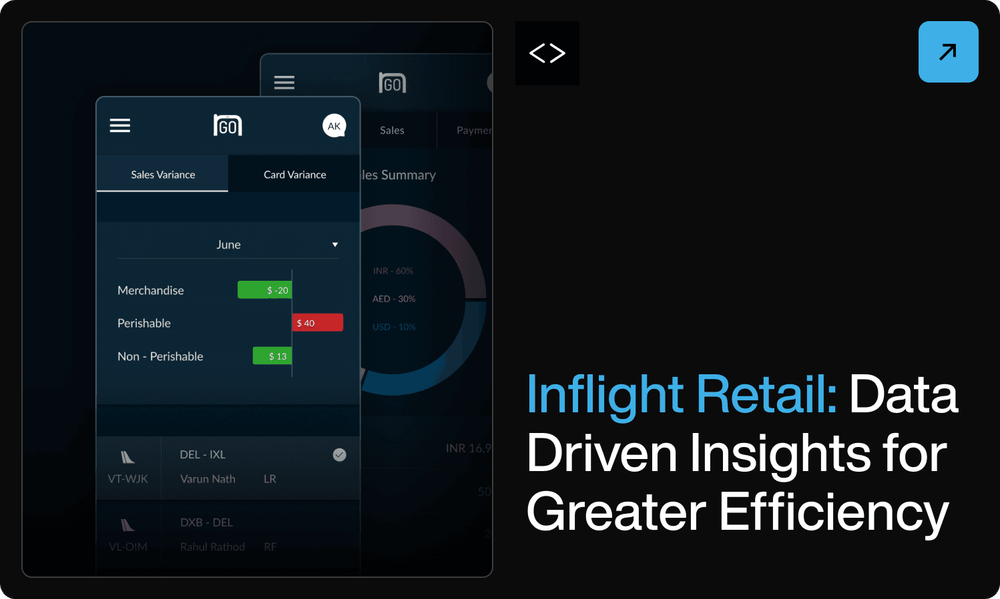
>Optimizing Inflight Retail: Data-Driven Insights for Greater EfficiencyOptimizing Inflight Retail: Data-Driven Insights for Greater Efficiency
Inflight retail has long been a valuable yet operationally complex revenue stream for airlines. Balancing product availability with cost efficiency is critical. Overstocking leads to waste and higher operating costs, while understocking results in missed sales and reduced passenger satisfaction.

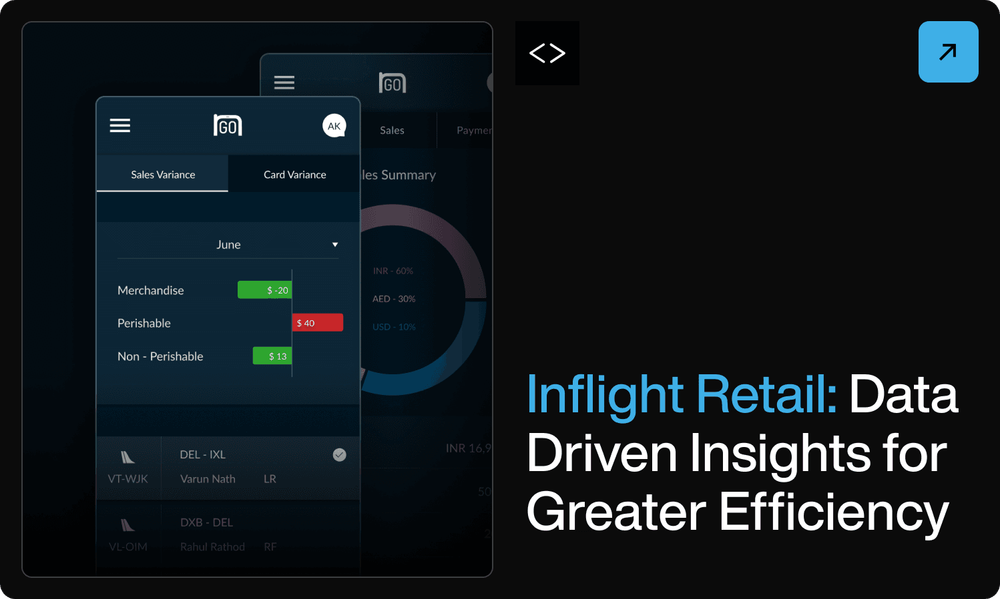
The study compared uplifted quantities, historical maximum sales, and optimal quantities across multiple SKUs over a six-month period (We recommend 12-month period due to seasonality). Three key insights emerged:
1. Excess Uplift Was Common
On average, 32% of the quantities uplifted to flights exceeded the maximum quantity sold over the observed period.
This highlighted a recurring pattern of inventory being loaded without corresponding demand, leading to:
- Higher wastage
- Increased logistics and handling costs
- Added workload for cabin crew
2. Uplift Levels Were Higher Than Optimal
The analysis showed that uplifted quantities were around 40% higher than the optimal levels required to meet passenger demand.
This gap between planned uplift and actual need pointed to clear opportunities to:
- Reduce unnecessary inventory
- Improve cost efficiency
- Make better use of onboard storage and aircraft weight
3. Revenue Losses Due to Under-Uplift
While over-uplift was prevalent, the data also revealed multiple instances of under-uplift, where insufficient quantities were loaded. Also, discontinuation of products which were selling.
In these cases, products sold out early and discontinuation of good items, resulting in:
- Missed sales opportunities
- Direct revenue loss
This reinforced the need for a balanced, demand-led approach rather than simply reducing uplift across the board.
Although this analysis was conducted earlier, the challenges it highlighted remain highly relevant. Inflight retail optimization continues to be a critical lever for airlines looking to:
- Control costs
- Reduce waste
- Improve forecasting accuracy
- Enhance passenger experience
- Decide on which SKUs to retain or remove
The fundamentals of demand variability, route-specific behavior, and inventory risk have not changed, making data-driven planning as important as ever.
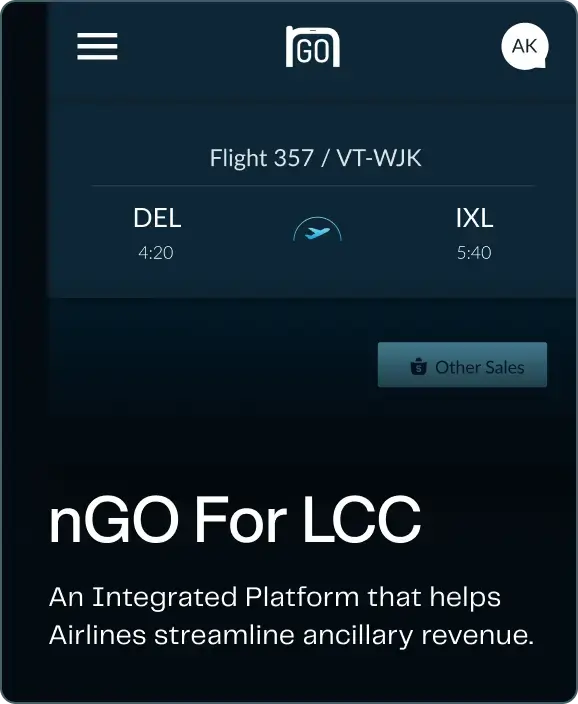
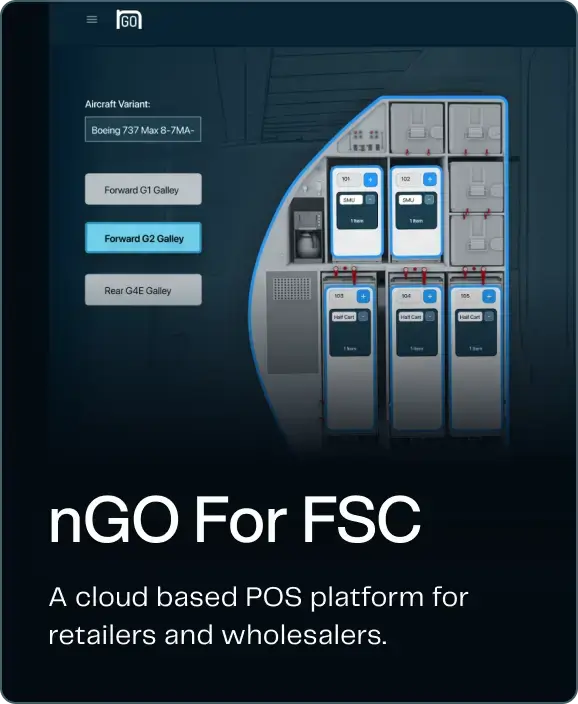
At Forthcode, our platform nGO is built on these insights. It enables airlines to:
- Use historical sales data to forecast demand more accurately
- Identify over-uplift and under-uplift risks in advance
- Optimize uplift quantities by flight, route, and product
- Improve sustainability while protecting revenue
- Identify the right SKU for inflight retail
By embedding intelligence into inflight retail and catering operations, nGO helps airlines move from manual, rule-based planning to continuous optimization.
Inflight retail success depends on precision—not excess. The learnings from this analysis demonstrate how even small improvements in uplift accuracy can deliver meaningful gains in revenue, efficiency, and sustainability.
With the right data and the right tools, airlines can create inflight retail operations that are leaner, smarter, and better aligned with passenger demand.
#Aviation #InflightRetail #DataAnalysis #OperationalEfficiency #Sustainability #Innovation #Forthcode #RevenueOptimization